Jul. 20, 2026
In industries where contamination can be detrimental, such as pharmaceutical manufacturing, cleanroom equipment has become a crucial aspect of operational efficiency. Among these essential tools is the Cleanroom Pass Box, designed to facilitate the transfer of materials into and out of controlled environments without compromising cleanliness levels. This article will cover the significance of cleanroom pass boxes, exploring pain points faced in various scenarios and demonstrating how they effectively mitigate these issues. Additionally, we will outline their definitions, applications, and advantages, providing a comprehensive understanding of this vital equipment.
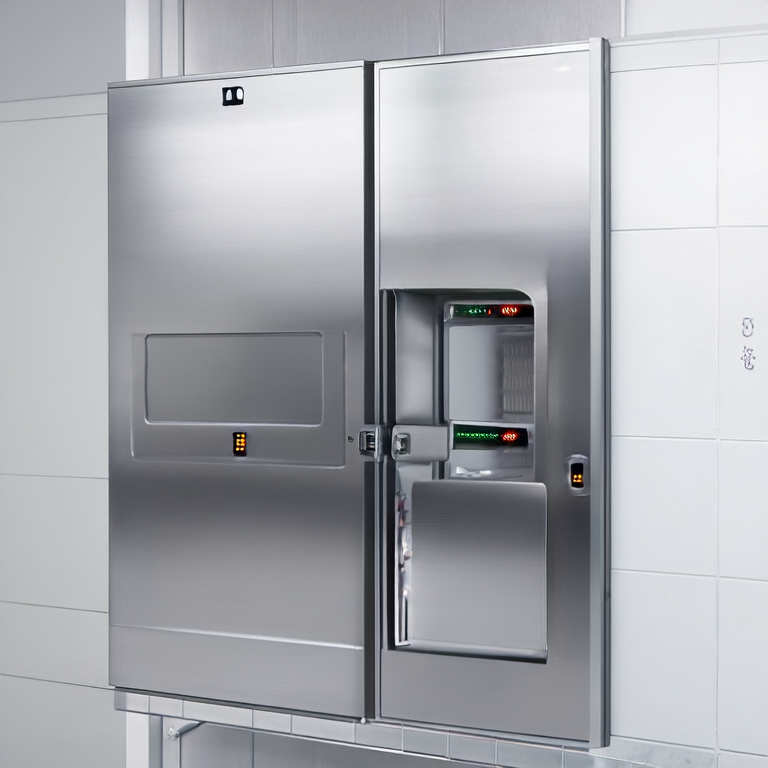
A Cleanroom Pass Box is a sealed enclosure that allows for the safe transfer of objects into and out of a cleanroom. Designed to maintain the integrity of the cleanroom environment, it minimizes the risk of contamination by providing a controlled interface that incorporates features like interlocking doors and HEPA filtration systems.
The emergence of cleanroom pass boxes can be attributed to increasing standards for contamination control in industries, especially given the heightened demand for sterility in drug production and medical device manufacturing. Studies show that contamination can lead to product failures and regulatory scrutiny, costing businesses up to $700,000 per non-compliance incident (source: FDA). Therefore, the necessity of using reliable cleanroom equipment like pass boxes becomes evident.
A cleanroom pass box, also known as a clean transfer box or a sterile pass-through chamber, is an essential cleanroom equipment piece designed to transfer materials without compromising the cleanroom environment. The fundamental concept behind its design revolves around preventing particles, microbes, and other contaminants from entering the controlled environment during material transfer.
Cleanroom pass boxes are crucial in several sectors, including:
In all these fields, cleanroom pass boxes effectively reduce the risk of contamination that can lead to defects and failures, which is particularly vital in maintaining compliance with stringent regulatory standards.
Utilizing a cleanroom pass box presents several advantages that are integral to maintaining operational efficacy in controlled environments:
In a data-driven report by the American Institute of Chemical Engineers, cleanroom operations using designated equipment like pass boxes have shown to decrease contamination incidents by up to 70%, underscoring their critical role in cleanroom management.
If you're considering implementing a cleanroom pass box in your facility, your next step is to consult the user guide provided by the manufacturer. Understanding the specific functionalities and maintenance requirements will ensure that you maximize the utility of the equipment. For those interested in high-quality options, we recommend exploring offerings from Pharma United, a brand known for its reliable cleanroom solutions.
1. How often should cleanroom pass boxes be cleaned? Typically, they should be cleaned according to the protocol set by your cleanroom standards, often recommended daily or weekly, depending on usage frequency.
2. What materials can be safely transferred using a cleanroom pass box? Cleanroom pass boxes can accommodate a variety of materials, including laboratory equipment, pharmaceuticals, and sensitive biological samples.
3. Are cleanroom pass boxes customizable? Yes, many manufacturers, including Pharma United, offer customizable options to meet specific operational needs.
For an in-depth understanding or a trial of cleanroom pass boxes, we suggest contacting Pharma United to find a solution that meets your cleanroom needs effectively.
Leave Your Message

Pharma United Co., Ltd.
Pharma United Co., Ltd.
Tel.: +86 177 1554 8238
Add.: NO.58 Beiyuan Road, Dianshanhu, Kunshan, Jiangsu, China, ZIP code 215345
Navigation
Navigation