Home - News - Understanding the cleanroom pass box working principle

Understanding the cleanroom pass box working principle

Jul. 29, 2026

In today’s regulated industries, organizations that rely on Cleanroom Equipment often face significant challenges in maintaining stringent contamination control standards. Enter the Cleanroom Pass Box—a specialized tool designed to facilitate the transfer of materials while minimizing exposure to particulate contamination. This solution is essential for cleanrooms in sectors like pharmaceuticals, biotechnology, and electronics, where even minor contamination can severely impact product integrity. The Cleanroom Pass Box addresses common pain points such as cross-contamination during material transfers and operational downtime by allowing seamless, controlled exchanges between zones.

Basic Knowledge of Cleanroom Pass Boxes

Before diving into the working principles of Cleanroom Pass Boxes, it's critical to comprehend the fundamental terminology:

  • Cleanroom: A controlled environment with specific limits on contamination levels.
  • Pass Box: A secure transfer chamber designed to facilitate the movement of materials without compromising cleanroom integrity.
  • Particulate Contamination: The presence of unwanted particles that can adversely affect the process or product quality.

The principle behind a Cleanroom Pass Box is based on airflow dynamics and pressure differentials. By establishing a controlled flow of air, typically achieved through HEPA filters, the Cleanroom Pass Box can eliminate airborne contaminants during material transfer, thus ensuring compliance with cleanroom protocols.

Working Principle of Cleanroom Pass Box

The effectiveness of the Cleanroom Pass Box lies in several interconnected components:

  1. Air Seal Mechanism: This ensures that the Pass Box maintains an isolated environment, preventing cross-contamination when doors are opened.
  2. HEPA Filtration System: A High-Efficiency Particulate Air (HEPA) filter is employed to capture at least 99.97% of particles larger than 0.3 micrometers, contributing to maintaining the required cleanliness levels.
  3. Pressure Differential: Properly calibrated pressure differentials between the interior of the Cleanroom and the external environment encourage a unidirectional airflow that further minimizes contamination risks.

In-Depth Guide to Using a Cleanroom Pass Box

To fully exploit the potential of a Cleanroom Pass Box, follow these steps:

  1. Initial Setup: Ensure the Pass Box is correctly installed according to the manufacturer’s guidelines. Brands like Pharma United offer user-friendly setup manuals.
  2. Regular Calibration: Perform routine checks on the HEPA filters and pressure differentials. Data shows that filters should be replaced at least every 6 months to maintain optimal performance.
  3. Hands-Free Operation: Utilize foot pedals or automatic door systems to minimize hand contact with surfaces. This operational method can reduce contamination risk by up to 40%.
  4. Material Transfer Protocol: Ensure that all materials entering or exiting the Pass Box are appropriately sterilized, thereby adhering to cleanroom protocols.
  5. Documentation: Maintain logs of the materials that pass through the box, ensuring traceability and accountability in compliance with FDA regulations.

Frequently Asked Questions About Cleanroom Pass Boxes

What materials can be passed through a Cleanroom Pass Box?

Essentially, any non-biological and biocompatible items can be transferred, including tools, components, and raw materials, provided they have been sterilized beforehand.

How do I maintain my Cleanroom Pass Box?

Regular maintenance includes checking the seals, replacing HEPA filters, calibrating pressure sensors, and documenting each maintenance action.

Can Cleanroom Pass Boxes be used in all cleanroom classes?

Yes, Cleanroom Pass Boxes can be adapted for use in various cleanroom classifications (Classes ISO 5 to ISO 9), designed specifically to meet the standards required for each environment.

Advanced Skills and Extended Reading

For professionals looking to delve deeper into the operational efficiencies of Cleanroom Pass Boxes, consider researching topics like Operational Risk Management in Cleanrooms and Environmental Monitoring Techniques. Understanding these advanced principles can significantly enhance your cleanroom operations.

Conclusion: Recommended Products and Services

If you are considering investing in Cleanroom Pass Boxes, brands such as Pharma United are highly recommended. Their products offer high reliability and are tailored for specific cleanroom applications. For inquiries or consultations on optimizing your cleanroom setup, feel free to contact Pharma United today!
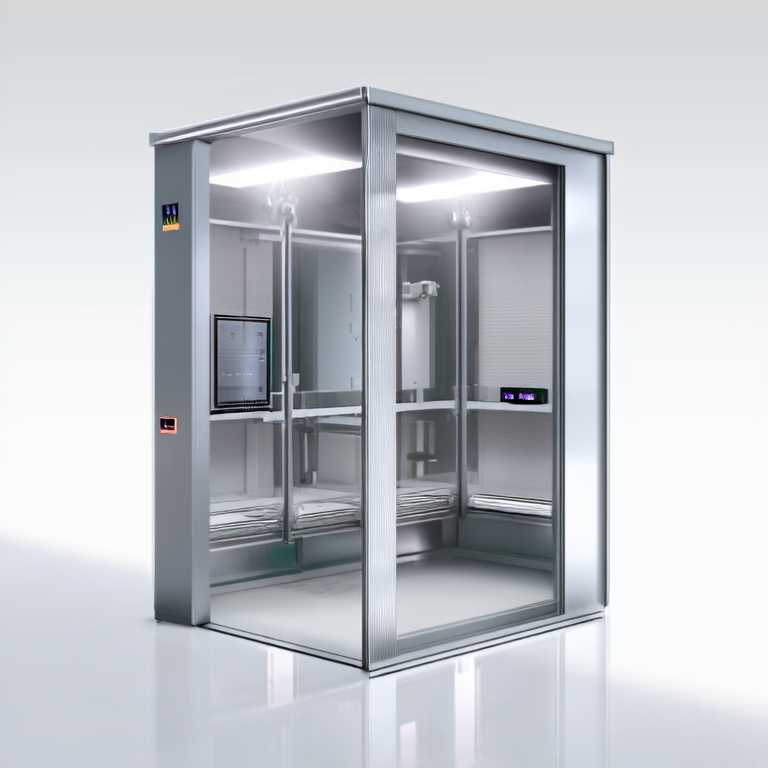
Understanding the cleanroom pass box working principle

Leave Your Message

  • Afghanistan
  • Albania
  • Algeria
  • American Samoa
  • Andorra
  • Angola
  • Anguilla
  • Antarctica
  • Antigua and Barbuda
  • Argentina
  • Armenia
  • Aruba
  • Australia
  • Austria
  • Azerbaijan
  • Bahamas
  • Bahrain
  • Bangladesh
  • Barbados
  • Belarus
  • Belgium
  • Belize
  • Benin
  • Bermuda
  • BBhutan
  • Bolivia
  • Bosnia and Herzegovina
  • Botswana
  • Bouvet Island
  • Brazil
  • British Indian Ocean Territory
  • Brunei Darussalam
  • Bulgaria
  • Burkina Faso
  • Burundi
  • Cambodia
  • Cameroon
  • Canada
  • Cape Verde
  • Cayman Islands
  • Central African Republic
  • Chad
  • Chile
  • China
  • Christmas Island
  • Cocos (Keeling) Islands
  • Colombia
  • Comoros
  • Congo
  • Cook Islands
  • Costa Rica
  • Cote D'Ivoire
  • Croatia
  • Cuba
  • Cyprus
  • Czech Republic
  • Denmark
  • Djibouti
  • Dominica
  • East Timor
  • Ecuador
  • Egypt
  • El Salvador
  • Equatorial Guinea
  • Eritrea
  • Estonia
  • Ethiopia
  • Falkland Islands (Malvinas)
  • Faroe Islands
  • Fiji
  • Finland
  • France, Metropolitan
  • French Guiana
  • French Polynesia
  • Gabon
  • Gambia
  • Georgia
  • Germany
  • Ghana
  • Gibraltar
  • Greece
  • Greenland
  • Grenada
  • Guadeloupe
  • Guam
  • Guatemala
  • Guinea
  • Guinea-Bissau
  • Guyana
  • Haiti
  • Honduras
  • Hong Kong, China
  • Hungary
  • Iceland
  • India
  • Indonesia
  • Iran (Islamic Republic of)
  • Iraq
  • Ireland
  • Israel
  • Italy
  • Jamaica
  • Japan
  • Jordan
  • Kazakhstan
  • Kenya
  • Kiribati
  • North Korea
  • South Korea
  • Kuwait
  • Kyrgyzstan
  • Lao People's Democratic Republic
  • Latvia
  • Lebanon
  • Lesotho
  • Liberia
  • Libyan Arab Jamahiriya
  • Liechtenstein
  • Lithuania
  • Luxembourg
  • Macau
  • Madagascar
  • Malawi
  • Malaysia
  • Maldives
  • Mali
  • Malta
  • Marshall Islands
  • Martinique
  • Mauritania
  • Mauritius
  • Mayotte
  • Mexico
  • Micronesia
  • Moldova
  • Monaco
  • Mongolia
  • Montserrat
  • Morocco
  • Mozambique
  • Myanmar
  • Namibia
  • Nauru
  • Nepal
  • Netherlands
  • New Caledonia
  • New Zealand
  • Nicaragua
  • Niger
  • Nigeria
  • Niue
  • Norfolk Island
  • Northern Mariana Islands
  • Norway
  • Oman
  • Pakistan
  • Palau
  • Panama
  • Papua New Guinea
  • Paraguay
  • Peru
  • Philippines
  • Pitcairn
  • Poland
  • Portugal
  • Puerto Rico
  • Qatar
  • Reunion
  • Romania
  • Russian Federation
  • Rwanda
  • Saint Kitts and Nevis
  • Saint Lucia
  • Saint Vincent and the Grenadines
  • Samoa
  • San Marino
  • Saudi Arabia
  • Senegal
  • Seychelles
  • Sierra Leone
  • Singapore
  • Slovak Republic
  • Slovenia
  • Solomon Islands
  • Somalia
  • South Africa
  • Spain
  • Sri Lanka
  • St. Helena
  • Sudan
  • Suriname
  • Swaziland
  • Sweden
  • Switzerland
  • Syrian Arab Republic
  • Taiwan, China
  • Tajikistan
  • Tanzania
  • Thailand
  • Togo
  • Tokelau
  • Tonga
  • Trinidad and Tobago
  • Tunisia
  • Turkey
  • Turkmenistan
  • Turks and Caicos Islands
  • Tuvalu
  • Uganda
  • Ukraine
  • United Arab Emirates
  • United Kingdom
  • United States
  • Uruguay
  • Uzbekistan
  • Vanuatu
  • Vatican City State (Holy See)
  • Venezuela
  • Viet Nam
  • Virgin Islands (U.S.)
  • Wallis and Futuna Islands
  • Western Sahara
  • Yemen
  • Zambia
  • Zimbabwe
  • Montenegro
  • Serbia
  • Palestine
  • South Sudan
  • Jersey

Pharma United Co., Ltd.

Pharma United Co., Ltd.

Tel.: +86 177 1554 8238

Add.: NO.58 Beiyuan Road, Dianshanhu, Kunshan, Jiangsu, China, ZIP code 215345

Copyright @ Pharma United Co., Ltd. All Rights Reserved | Sitemap | Privacy Policy