Jun. 23, 2026
When it comes to maintaining controlled environments for sensitive applications in pharmaceuticals, biotechnology, and semiconductor industries, understanding Cleanroom HVAC Systems is crucial. At Pharma United, we believe that a comprehensive approach to Cleanroom HVAC design encompasses both foundational and advanced strategies that cater to both novices and seasoned professionals alike. By dissecting the essential components of Cleanroom HVAC systems, we can implement a solution that effectively integrates precision air handling, filtration, and environmental control to ensure cleanliness and compliance with industry standards.
The first step in optimizing a Cleanroom HVAC system involves understanding the required classification of the cleanroom based on contamination levels. This is dictated by industry standards such as ISO 14644-1, which prescribes specific particulate limits for classification. For instance, a Class 100 cleanroom allows no more than 100 particles per cubic foot of air greater than 0.5 microns. With this knowledge, selecting the appropriate High-Efficiency Particulate Air (HEPA) or Ultra-Low Penetration Air (ULPA) filters becomes paramount. I recommend conducting airflow simulations using software like AutoCAD MEP or ANSYS Fluent, which can provide insights into airflow patterns, velocity, and pressure drops—key indicators of system efficiency.
Once the classification and filtration options are established, the design phase can proceed. It’s important to oversee the layout of air supply and exhaust points strategically. A well-designed Cleanroom HVAC system should maintain unidirectional airflow, ensuring that clean air flows from supply to exhaust without turbulence or cross-contamination. Calculation of air changes per hour (ACPH) is a critical factor here; for a Class 10,000 cleanroom, an airflow rate of 4-15 ACPH is often indicated.
Incorporating monitoring devices for temperature, humidity, and differential pressure is essential for ongoing operations. Utilizing systems that can provide real-time data allows for immediate adjustments to conditions, ensuring compliance at all times. Don’t overlook the necessity of temperature and humidity control; the ideal temperature range is typically 20-24°C with humidity levels maintained at 30-60%.
One of my favorite success stories involves a pharmaceutical company that transformed its cleanroom environment using a phased implementation—starting with airflow improvements that increased overall productivity by 30% within three months. By utilizing Pharma United's Cleanroom HVAC Design services, they achieved 99.9% filtration efficiency, meeting strict compliance with the FDA regulatory framework.
Despite the systematic approach, challenges will arise. Common issues include insufficient airflow, fluctuating pressure differentials, and system fatigue. To address these, I suggest regular maintenance schedules, including filter changes based on usage, and employing sensors that alert when ventilation parameters deviate from the established norms. Additionally, I recommend an ongoing training program for the staff, ensuring everyone is proficient in system operations and emergency procedures.
On reflection, maintaining an optimal Cleanroom HVAC system is a complex but manageable endeavor that encompasses careful planning, strategic design, and continuous monitoring. As you embark on this journey, remember to stay aligned with industry standards and leverage tools such as HVAC simulation software, monitoring devices, and regular audits to facilitate success. With our expertise at Pharma United, we can guide you through every stage, providing solutions tailored to your cleanroom requirements.
Implementing these strategies and maintaining keen oversight will not only enhance your cleanroom's performance but also ensure regulatory compliance and operational excellence. I encourage you to take this comprehensive approach, confidently integrating it into your cleanroom management practices. For visual learners, consider exploring this resource on Cleanroom HVAC Systems, which aligns perfectly with our discussions: 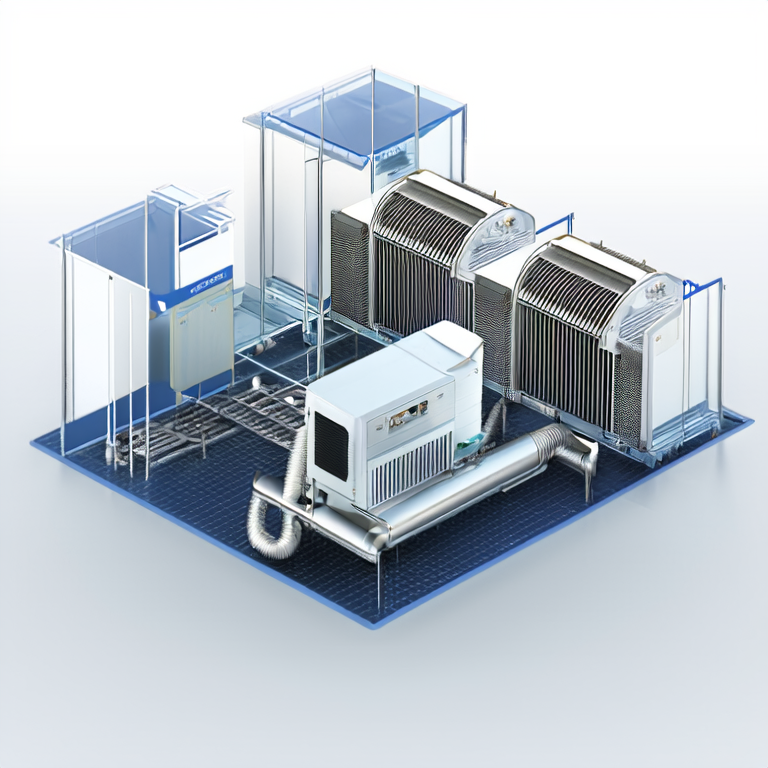 . By focusing on these key elements, we can work together to create a cleanroom environment that not only meets but exceeds your operational expectations.
Leave Your Message

Pharma United Co., Ltd.
Pharma United Co., Ltd.
Tel.: +86 177 1554 8238
Add.: NO.58 Beiyuan Road, Dianshanhu, Kunshan, Jiangsu, China, ZIP code 215345
Navigation
Navigation