Jun. 10, 2026
When designing a cleanroom for the pharmaceutical industry, the stakes are high: contamination can threaten product integrity and patient safety. However, many manufacturers encounter common issues such as inconsistent particle control, inadequate ventilation, and poor workflow efficiency. Implementing effective cleanroom design principles can significantly reduce these risks, leading to higher compliance rates and an overall safer working environment. In this article, we'll discuss actionable tips that address these critical pain points, ensuring that your cleanroom not only meets industry standards but also enhances the operational efficiency of your pharmaceutical processes.
Effective airflow is essential for maintaining cleanroom standards. Proper air circulation not only aids in particle removal but also regulates temperature and humidity levels.
By designing a unidirectional airflow system, you can ensure that airborne particles are effectively minimized. According to research from the International Society for Pharmaceutical Engineering (ISPE), proper airflow can reduce viable particle contamination by up to 86%.
This technique is suitable for cleanrooms operating at higher classifications (ISO Class 5 and above) where contamination control is critical.
The materials used in your cleanroom can significantly impact its cleanliness and maintenance requirements. Non-porous materials, such as stainless steel or epoxy resin, are preferable for surfaces as they resist microbial growth and are easier to clean.
Choosing suitable materials can reduce cleaning frequency by up to 50%, as noted in a study by the American Journal of Infection Control. This is especially beneficial in scenarios where frequent cleaning could disrupt production flow.
A well-planned layout enhances operational efficiency and reduces the likelihood of contamination. For pharmaceutical cleanrooms, a workflow that minimizes cross-contamination is crucial.
The implementation of a logical workflow design can lead to a 30% reduction in unnecessary movement, facilitating smoother transitions between processes and minimizing the risk of contamination.
Best suited for facilities dealing with high volumes of production, this technique supports sequential processes, enhancing productivity while maintaining stringent quality standards.
High-efficiency particulate air (HEPA) filters play a vital role in maintaining air quality by removing 99.97% of particles 0.3 micrometers or larger. In a recent article from Cleanroom Technology, HEPA filters are highlighted as a cornerstone of effective cleanroom design.
Investing in advanced filtration systems can ensure compliance with ISO standards, making them ideal for cleanrooms processing sensitive products like biopharmaceuticals.
Lastly, a cleanroom is only as effective as its operators. Regular training ensures personnel are aware of the best practices necessary for maintaining cleanliness and compliance.
Organizations that have adopted comprehensive training programs report a 40% decrease in contamination incidents. This strategy is essential for all staff, from new hires to seasoned employees, and is particularly vital in environments with high turnover rates.
Implementing effective cleanroom design is crucial for pharmaceutical companies looking to minimize contamination risks. Key strategies include optimizing airflow dynamics, using appropriate materials, enhancing workflow efficiency, investing in advanced filtration systems, and conducting thorough training programs. By addressing these areas, you can create a cleanroom that not only meets regulatory standards but also supports operational effectiveness.
What is the ideal ISO classification for pharmaceutical cleanrooms?
ISO Class 5 is typically recommended for environments that require the strictest control of airborne contamination.
How frequent should cleanroom audits be conducted?
Regular audits should be conducted at least annually, while continuous monitoring is advisable for facilities handling sensitive products.
What role do HEPA filters play in a cleanroom?
HEPA filters are essential for removing airborne particles, helping to maintain air cleanliness levels required for pharmaceutical manufacturing.
For more information on effective cleanroom design practices, visit Pharma United, where you can access resources and expert advice tailored to your needs. 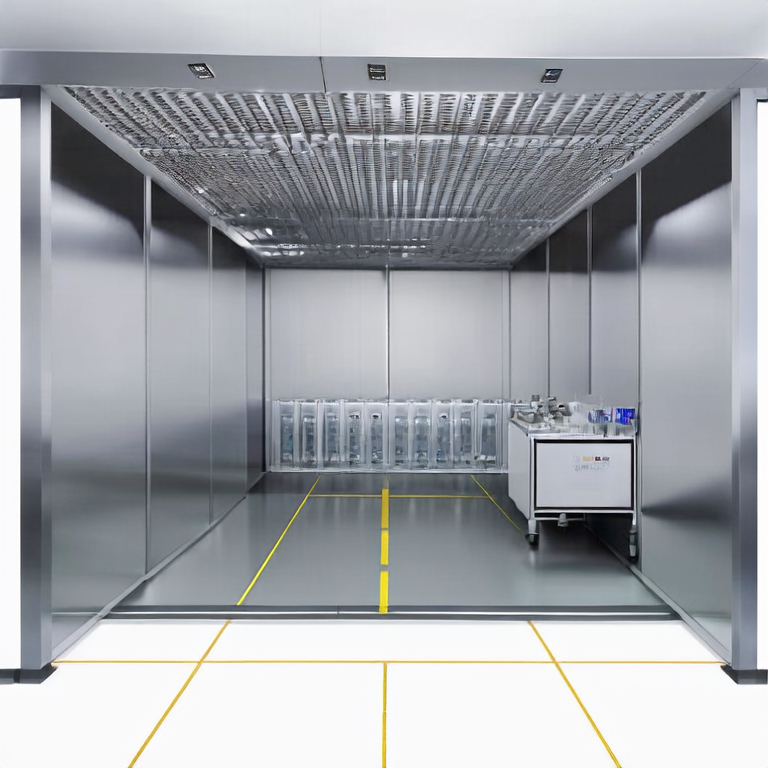
Leave Your Message

Pharma United Co., Ltd.
Pharma United Co., Ltd.
Tel.: +86 177 1554 8238
Add.: NO.58 Beiyuan Road, Dianshanhu, Kunshan, Jiangsu, China, ZIP code 215345
Navigation
Navigation