May. 18, 2026
Contamination control is one of the most important requirements in industries that demand highly controlled environments. Sectors such as pharmaceuticals, biotechnology, medical devices, semiconductor manufacturing, food processing, and laboratories rely heavily on cleanrooms to maintain product quality and operational safety. Even tiny particles, airborne microbes, or chemical contaminants can compromise sensitive manufacturing processes and lead to product failure, financial losses, or regulatory issues.
This is where cleanroom equipment plays a vital role. Modern cleanroom equipment is designed to minimize contamination risks, maintain air purity, regulate airflow, and support strict environmental standards. From laminar airflow systems and air showers to pass boxes and cleanroom furniture, every component contributes to maintaining a stable and contamination-free environment.
As industries continue to tighten quality standards and compliance requirements, the demand for advanced contamination control solutions keeps growing. Reliable cleanroom systems not only improve operational efficiency but also protect personnel, products, and processes. Companies such as Pharma United continue to support these industries with professional cleanroom solutions tailored to different production environments.
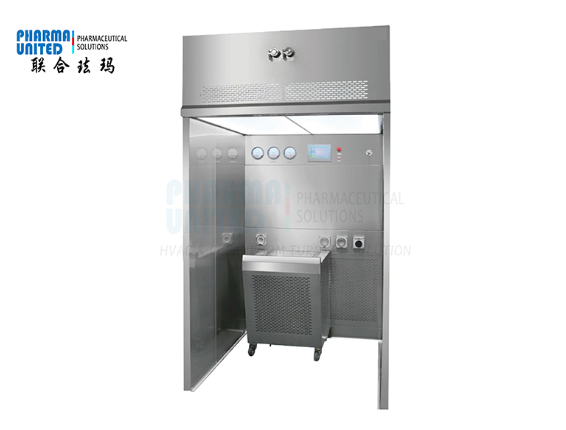
Cleanroom equipment refers to specialized systems, tools, and furniture designed for use inside controlled environments where contamination levels must remain extremely low. The primary purpose of this equipment is to reduce airborne particles, microorganisms, dust, and chemical pollutants that could affect sensitive products or manufacturing processes.
A complete cleanroom setup usually includes:
Each type of equipment plays a different role in contamination control, but together they create a controlled environment that meets ISO cleanroom standards and GMP requirements.
Contamination control is critical because even microscopic particles can cause serious problems in sensitive industries. In pharmaceutical production, contamination may affect drug safety and effectiveness. In semiconductor manufacturing, tiny dust particles can damage microchips and reduce product yield. In healthcare facilities, contamination increases infection risks and threatens patient safety.
Effective contamination control helps businesses:
Without proper cleanroom equipment, maintaining these standards would be nearly impossible.
One of the main functions of cleanroom equipment is air purification. Cleanrooms rely on HEPA filters and ULPA filters to remove airborne contaminants from the environment. These filtration systems can capture extremely small particles with high efficiency.
Laminar airflow systems are especially important because they provide continuous, unidirectional airflow that prevents particles from settling on products or surfaces. By controlling airflow patterns, cleanroom equipment reduces turbulence and minimizes cross-contamination risks.
In pharmaceutical cleanrooms and semiconductor facilities, maintaining stable airflow is essential for achieving ISO classification standards.
Pressure differentials are another important element of contamination control. Cleanroom equipment helps maintain either positive pressure or negative pressure depending on the application.
Positive pressure cleanrooms prevent contaminated air from entering the controlled space. These environments are commonly used in pharmaceutical manufacturing, sterile production, and medical device assembly.
Negative pressure systems, such as negative pressure weighing booths, contain hazardous powders or chemicals inside a specific area. This prevents harmful particles from spreading to surrounding spaces and protects both products and operators.
Pressure-controlled environments are widely used in laboratories, biotech facilities, and chemical processing plants.
Human activity is one of the largest contamination sources in any cleanroom. Employees naturally release particles, skin flakes, and microorganisms into the environment. Cleanroom equipment helps reduce this risk through several contamination control measures.
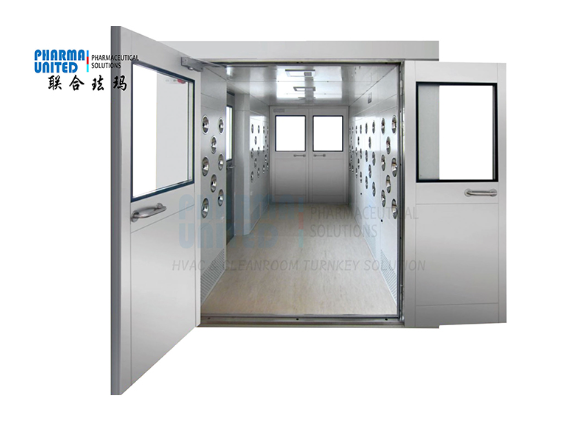
Air showers are installed at cleanroom entrances to remove dust and particles from personnel before they enter controlled environments. High-speed filtered air blows contaminants off clothing and surfaces, reducing particle transfer.
Cleanroom gowning stations provide designated spaces where employees wear protective garments such as gloves, masks, shoe covers, and coveralls. Proper gowning procedures significantly reduce contamination levels.
Modern cleanroom equipment often includes hands-free or automated systems to minimize physical contact and reduce contamination opportunities.
Laminar Air Flow (LAF) systems are among the most critical cleanroom equipment solutions for contamination control. These systems generate uniform airflow in a single direction to protect sensitive materials from airborne contaminants.
There are two main types of laminar airflow systems:
Both designs create clean air zones for sterile manufacturing, laboratory testing, and pharmaceutical processing.
LAF units are commonly used in:
Properly designed laminar airflow systems improve cleanliness levels while maintaining stable environmental conditions.
Pass boxes are essential contamination control devices used to transfer materials between different cleanroom areas without opening doors unnecessarily. This reduces airflow disruption and minimizes contamination risks.
There are two common types:
Static pass boxes are used between cleanrooms and non-classified areas where cleanliness requirements are lower.
Dynamic pass boxes include HEPA-filtered airflow systems that provide additional protection during material transfer. These units are ideal for high-grade cleanrooms and sterile production environments.
Pass boxes improve operational efficiency by reducing personnel movement and maintaining pressure balance inside cleanrooms.
Cleanroom furniture is specifically designed to minimize particle generation and simplify cleaning procedures. Stainless steel furniture is widely used because it is durable, corrosion-resistant, and easy to sanitize.
Typical cleanroom furniture includes:
Smooth surfaces and seamless designs prevent dust accumulation and bacterial growth. Proper furniture selection contributes directly to contamination control and cleanroom compliance.
Many manufacturers, including Pharma United, provide SS304 cleanroom furniture solutions suitable for pharmaceutical and industrial cleanrooms.
HVAC systems are the backbone of cleanroom contamination control. These systems regulate:
Advanced cleanroom HVAC systems maintain stable environmental conditions while continuously filtering the air.
Environmental monitoring systems also play a major role. Sensors and monitoring devices track cleanroom performance in real time and help operators identify contamination risks quickly.
Monitoring parameters often include:
Continuous monitoring helps facilities comply with GMP and ISO cleanroom standards.
The pharmaceutical industry heavily depends on cleanroom equipment for sterile drug production, vaccine manufacturing, and packaging operations. Regulatory agencies require strict contamination control procedures to ensure product safety.
Biotechnology laboratories require highly controlled environments for cell culture, genetic research, and biological testing. Cleanroom systems help maintain sterile conditions and protect sensitive experiments.
Microelectronics and semiconductor production require ultra-clean environments because even microscopic particles can damage circuits and wafers.
Hospitals and medical device manufacturers use cleanroom equipment to reduce infection risks and maintain sterile production processes.
Certain food processing environments also use cleanroom technology to improve hygiene and reduce contamination during packaging and production.
Effective contamination control reduces defects, rejects, and product failures.
High-performance cleanroom systems support compliance with ISO, GMP, FDA, and other industry standards.
Optimized airflow systems and material transfer solutions improve workflow and productivity.
Durable cleanroom equipment requires less maintenance and offers longer service life.
Proper contamination control protects employees from hazardous substances and airborne pollutants.
The cleanroom industry continues to evolve with new technologies and automation systems. Future trends include:
As manufacturing standards become stricter, businesses are increasingly investing in advanced cleanroom solutions that improve both performance and sustainability.
Cleanroom equipment plays a fundamental role in contamination control across a wide range of industries. From air filtration and pressure control to personnel protection and material transfer, every component contributes to maintaining a stable and contamination-free environment.
Modern cleanroom systems help companies improve product quality, maintain regulatory compliance, and increase operational efficiency. As industries continue to demand higher cleanliness standards, investing in advanced contamination control solutions becomes even more important.
Whether in pharmaceutical manufacturing, biotechnology research, semiconductor production, or healthcare applications, reliable cleanroom equipment remains essential for protecting sensitive processes and ensuring long-term operational success.

The main purpose of cleanroom equipment is to control contamination by reducing airborne particles, microorganisms, and pollutants inside controlled environments. This equipment helps maintain air purity, regulate airflow, and support sterile manufacturing processes in industries such as pharmaceuticals, biotechnology, and electronics.
HEPA filters are critical because they remove extremely small airborne particles from the air. These filters help maintain cleanroom air quality and prevent contaminants from affecting sensitive products or manufacturing operations. HEPA filtration systems are widely used in pharmaceutical cleanrooms, laboratories, and semiconductor facilities.
Positive pressure cleanrooms prevent outside contaminants from entering the controlled area by maintaining higher internal air pressure. Negative pressure cleanrooms contain hazardous particles within a specific space by maintaining lower internal pressure. The choice depends on the application and contamination control requirements.
Cleanroom equipment should be inspected and maintained regularly according to industry standards and manufacturer recommendations. Routine maintenance includes filter replacement, airflow testing, calibration, surface cleaning, and environmental monitoring to ensure optimal performance and compliance.
Many industries rely on contamination control systems, including pharmaceuticals, biotechnology, medical devices, electronics, aerospace, healthcare, food processing, and research laboratories. These industries require cleanroom environments to maintain product quality, safety, and regulatory compliance.
Leave Your Message

Pharma United Co., Ltd.
Pharma United Co., Ltd.
Tel.: +86 177 1554 8238
Add.: NO.58 Beiyuan Road, Dianshanhu, Kunshan, Jiangsu, China, ZIP code 215345
Navigation
Navigation