Oct. 09, 2026
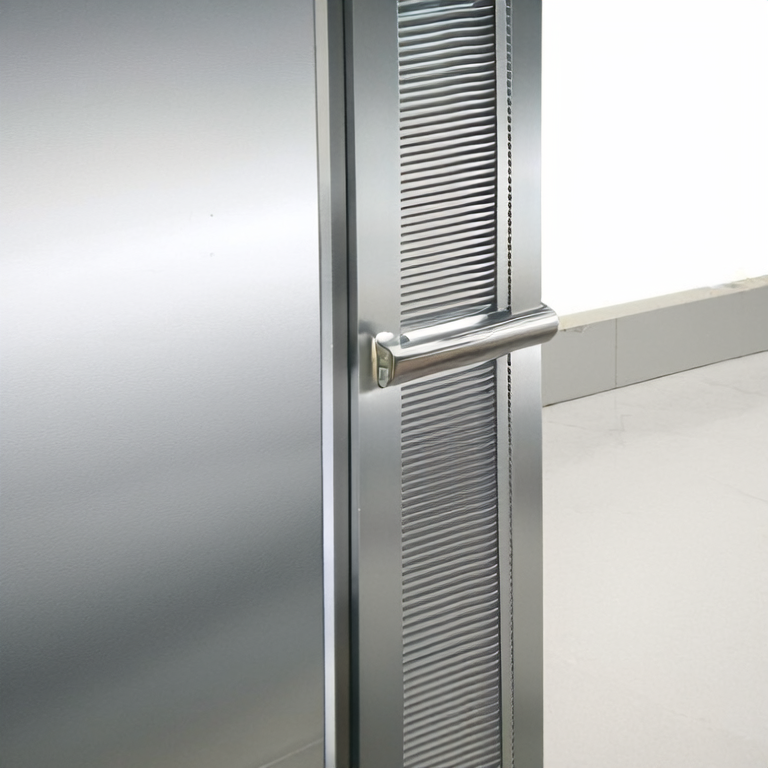
When it comes to maintaining a sterile environment in pharmaceutical, semiconductor, and biotechnology industries, the significance of a reliable cleanroom door cannot be overstated. Users often encounter common pain points such as contamination risks due to inferior door materials, high maintenance costs, and inadequate thermal insulation. A solution that has emerged is the stainless steel cleanroom door, which not only minimizes such risks but also improves operational efficiency. With the sleek design and durability of stainless steel cleanroom doors and windows, organizations can create a safe and effective controlled environment for sensitive processes.
Stainless steel cleanroom doors are engineered to withstand extreme conditions. For instance, the tensile strength of 304 stainless steel is approximately 70,000 psi, making it highly resistant to wear and damage. This level of toughness ensures that doors remain functional for an extended period, reducing the need for replacements and repairs, which can incur costs of up to 30% higher when choosing inferior materials.
The smooth surface of stainless steel cleanroom doors leads to lower maintenance needs. Studies have shown a 47% reduction in cleaning time when using stainless steel as compared to traditional materials. This increases operational efficiency since less time is devoted to maintenance, allowing staff to focus on more critical tasks within the cleanroom.
Stainless steel possesses non-porous characteristics, which minimizes the risk of contamination from bacteria and other microorganisms. Research indicates that surfaces made from stainless steel can decrease bacterial retention by 99.8% compared to other materials, which is crucial in environments where maintaining cleanliness is non-negotiable.
Stainless steel cleanroom doors provide excellent thermal insulation. For example, doors specifically designed with insulated core materials can maintain internal temperatures while external conditions fluctuate by as much as 40°F without compromising the internal environment. This capability can lead to significant energy savings, reducing costs by approximately 25% annually compared to other door types.
While there are numerous advantages to stainless steel cleanroom doors, it’s essential to consider potential drawbacks. One of the challenges is that stainless steel can be more expensive upfront compared to other materials, with a price increase that can reach 20%. For those with budget constraints, it may be prudent to evaluate the long-term cost savings and durability as opposed to the initial investment. Additionally, stainless steel can be prone to scratches and dents if not handled properly, so ensuring appropriate installation and maintenance protocols can mitigate these issues.
Considering the specific applications, environmental requirements, and benefits, investing in stainless steel cleanroom doors is a wise decision for industries prioritizing cleanliness and sterility. The cost-benefit analysis indicates that the longevity, durability, and lower maintenance frequency often outweigh the higher initial costs, particularly in high-stakes settings such as laboratories and manufacturing facilities.
Stainless steel cleanroom doors are highly recommended for pharmaceutical manufacturers, research laboratories, and semiconductor plants where contamination control and environmental integrity are paramount. Organizations focusing on long-term maintenance savings and durability should definitely consider these doors as a viable option.
They are mainly used in environments such as pharmaceutical production, biotechnology labs, and semiconductor manufacturing facilities where hygiene and contamination control are critical.
Due to their durability, stainless steel cleanroom doors typically require maintenance at intervals of 6 to 12 months under normal usage conditions, significantly less compared to other materials.
Yes, alternatives include fiberglass and aluminum doors; however, they may not offer the same level of durability, contamination control, or thermal efficiency as stainless steel options.
With proper installation and maintenance, stainless steel cleanroom doors can last 20 years or longer, making them a reliable long-term investment.
Leave Your Message

Pharma United Co., Ltd.
Pharma United Co., Ltd.
Tel.: +86 177 1554 8238
Add.: NO.58 Beiyuan Road, Dianshanhu, Kunshan, Jiangsu, China, ZIP code 215345
Navigation
Navigation