May. 18, 2026
Cleanrooms play a critical role in industries where contamination control is essential. Pharmaceutical manufacturing, biotechnology, electronics, semiconductor production, medical device assembly, and laboratory research all rely on highly controlled environments to maintain product quality and operational safety. As demand for advanced contamination control solutions continues to grow, businesses are searching for reliable cleanroom manufacturers that can deliver efficient, compliant, and customized systems.
However, not all cleanroom manufacturers provide the same level of quality, engineering capability, or technical support. The top cleanroom manufacturers stand out because they combine innovative cleanroom technology with strict compliance standards, energy-efficient systems, durable materials, and professional project management. Choosing the right manufacturer can improve operational efficiency, reduce contamination risks, and support long-term business growth.
This article explores the key features of top cleanroom manufacturers and explains what businesses should consider when selecting a cleanroom solution provider.
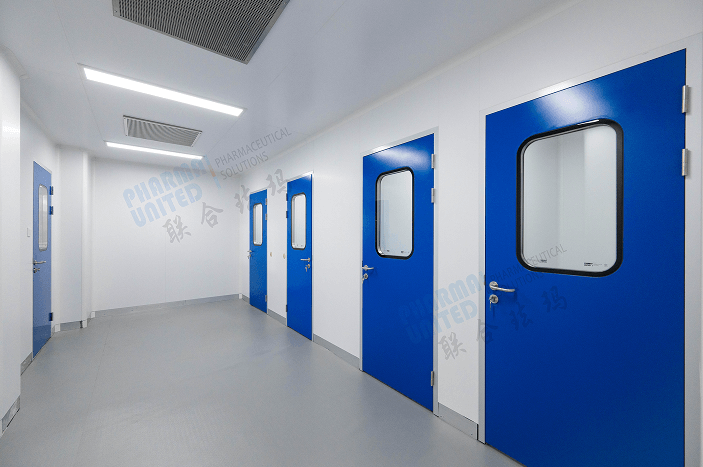
A cleanroom is far more than a simple enclosed workspace. It is a carefully engineered environment designed to control airborne particles, humidity, temperature, pressure, and microbial contamination. Poor cleanroom design or low-quality construction can lead to production failures, regulatory issues, and expensive downtime.
Leading cleanroom manufacturers provide complete solutions that cover:
Experienced companies understand the unique requirements of different industries and can create customized cleanroom systems that meet both operational and regulatory demands.
One of the most important features of top cleanroom manufacturers is strong cleanroom design expertise. Effective cleanroom design directly affects contamination control, workflow efficiency, and long-term operating costs.
Professional cleanroom manufacturers analyze multiple factors before creating a solution, including:
Top manufacturers use advanced CAD software and 3D modeling tools to optimize cleanroom layouts and improve operational efficiency. They also focus on minimizing cross-contamination risks by separating clean and dirty zones.
Modern modular cleanroom systems are especially popular because they offer flexibility, faster installation, and easier future upgrades.
Reliable cleanroom manufacturers always prioritize regulatory compliance. Industries such as pharmaceuticals and biotechnology must follow strict international standards to ensure product safety and quality.
Top cleanroom manufacturers design facilities according to standards such as:
Compliance is not limited to construction alone. Leading manufacturers also support validation procedures, including:
A qualified cleanroom manufacturer helps clients maintain consistent compliance throughout the entire project lifecycle.
Air handling systems are the foundation of any cleanroom environment. Top cleanroom manufacturers invest heavily in advanced HVAC technology and high-efficiency filtration systems.
HEPA filters remove at least 99.97% of particles as small as 0.3 microns, while ULPA filters provide even higher filtration efficiency. These systems are essential for maintaining cleanroom classification levels.
Leading manufacturers design airflow systems that minimize turbulence and prevent particle accumulation. Depending on the application, cleanrooms may use:
Proper pressure differentials help prevent contamination between adjacent rooms. Positive pressure cleanrooms keep contaminants out, while negative pressure rooms contain hazardous materials.
Modern cleanroom manufacturers increasingly focus on energy-efficient HVAC systems that reduce operational costs without compromising cleanliness standards.
Companies such as Pharma United understand the importance of balancing contamination control with energy savings, especially for pharmaceutical and laboratory applications.
The materials used in cleanroom construction significantly affect cleanliness, durability, and maintenance requirements.
Top cleanroom manufacturers select materials that are:
Common cleanroom materials include:
Cleanroom wall panels, ceilings, flooring systems, doors, and furniture must all support contamination control objectives. Smooth surfaces and sealed joints help reduce microbial growth and particle accumulation.
Durable materials also improve the long-term reliability of the cleanroom environment.
Modular cleanrooms have become increasingly popular across many industries because they offer flexibility and faster installation times.
Top cleanroom manufacturers provide modular cleanroom systems that can be customized for:
The advantages of modular cleanrooms include:
Modular cleanroom construction allows businesses to scale operations more efficiently while maintaining contamination control standards.
A successful cleanroom project requires more than good equipment. Effective project management ensures smooth coordination from design through installation and validation.
Top cleanroom manufacturers typically provide:
Professional manufacturers establish detailed timelines, technical specifications, and compliance documentation before construction begins.
Experienced installation teams ensure all cleanroom components are assembled correctly and efficiently.
Leading manufacturers perform rigorous testing to verify system performance before the cleanroom becomes operational.
Reliable technical support is essential for maintaining cleanroom performance over time. This includes:
Manufacturers that offer long-term support often build stronger client relationships and improve customer satisfaction.
Experience is another major feature that separates top cleanroom manufacturers from less qualified providers.
Established cleanroom manufacturers understand the unique operational challenges of different industries. For example:
Engineering expertise allows manufacturers to create customized solutions that align with industry-specific production processes.
Experienced companies can also anticipate potential design issues early in the project, helping clients avoid expensive modifications later.
The primary purpose of any cleanroom is contamination control. Leading cleanroom manufacturers implement advanced strategies to reduce contamination risks at every level.
Important contamination control features include:
Manufacturers also optimize personnel flow and material handling systems to minimize contamination sources.
For industries such as pharmaceuticals, contamination control directly affects product quality, regulatory compliance, and patient safety.
Technology is transforming the cleanroom industry. Top cleanroom manufacturers increasingly integrate smart monitoring systems into their projects.
These technologies may include:
Smart cleanroom technology helps facility managers monitor performance continuously and respond quickly to environmental changes.
Advanced automation also improves operational efficiency and supports regulatory documentation requirements.
Sustainability is becoming more important in cleanroom design and manufacturing. Cleanrooms consume large amounts of energy due to continuous air filtration and environmental control systems.
Top cleanroom manufacturers address this challenge by using:
Sustainable cleanroom solutions help reduce operating costs while supporting environmental goals.
Many businesses now prioritize manufacturers that can provide both contamination control and energy-efficient performance.
Every industry and facility has unique operational requirements. Top cleanroom manufacturers understand that standardized solutions are not always suitable.
Customization options may include:
Scalable cleanroom systems allow businesses to expand production capacity without rebuilding entire facilities.
Companies like Pharma United often support customized modular cleanroom projects that adapt to changing production demands over time.
Reliable supply chain management is another important feature of leading cleanroom manufacturers.
Strong manufacturing capability helps ensure:
Manufacturers with international project experience are often better prepared to support global clients and complex installations.
This becomes especially important for multinational pharmaceutical, electronics, and medical device companies operating across multiple regions.
When selecting a cleanroom manufacturer, businesses should evaluate several important factors:
Review the manufacturer’s engineering capabilities and industry experience.
Verify compliance with ISO, GMP, and other relevant standards.
Examine previous cleanroom projects in similar industries.
Ensure the manufacturer can provide tailored solutions.
Check whether long-term maintenance and technical support are available.
Assess the durability and quality of materials and components.
Choosing an experienced cleanroom manufacturer can reduce project risks and improve long-term operational reliability.
The best cleanroom manufacturers combine engineering expertise, advanced technology, regulatory compliance, and reliable customer support to deliver high-performance contamination control solutions. From cleanroom design and HVAC systems to modular construction and smart monitoring technology, every detail plays a role in maintaining a stable and efficient cleanroom environment.
As industries continue to demand higher standards for cleanliness, safety, and efficiency, selecting the right cleanroom manufacturer becomes increasingly important. Businesses should focus on manufacturers with proven industry experience, strong technical capabilities, and a commitment to quality and innovation.
A well-designed cleanroom not only supports compliance and product quality but also improves operational efficiency and long-term business success.
A cleanroom manufacturer designs, engineers, constructs, and supports controlled environments used in industries such as pharmaceuticals, biotechnology, electronics, and medical devices. Their services often include cleanroom design, HVAC systems, filtration solutions, modular construction, validation, and maintenance support.
Cleanrooms are widely used in pharmaceutical manufacturing, biotechnology research, semiconductor production, electronics assembly, aerospace, medical device manufacturing, laboratories, and food processing industries. These environments help control airborne particles and contamination that could affect product quality or safety.
Modular cleanrooms are prefabricated systems that can be installed quickly and expanded easily. Traditional cleanrooms are permanently built into a facility structure. Modular cleanrooms generally offer faster installation, greater flexibility, and lower construction downtime.
HVAC systems control airflow, temperature, humidity, and airborne particle filtration inside the cleanroom. High-performance HVAC systems with HEPA or ULPA filters help maintain cleanroom classification levels and reduce contamination risks during manufacturing processes.
Businesses should evaluate cleanroom manufacturers based on industry experience, engineering expertise, compliance certifications, project portfolio, customization capabilities, product quality, and after-sales support. A reliable manufacturer should provide complete contamination control solutions tailored to specific operational needs.

Leave Your Message

Pharma United Co., Ltd.
Pharma United Co., Ltd.
Tel.: +86 177 1554 8238
Add.: NO.58 Beiyuan Road, Dianshanhu, Kunshan, Jiangsu, China, ZIP code 215345
Navigation
Navigation