Home - News - How to Choose a Reliable Cleanroom Manufacturer

How to Choose a Reliable Cleanroom Manufacturer

Apr. 08, 2026

Selecting the right cleanroom manufacturer is a critical decision for industries that require controlled environments, such as pharmaceuticals, electronics, food processing, and biotechnology. A well-designed cleanroom ensures product safety, regulatory compliance, and operational efficiency. On the other hand, choosing the wrong supplier can lead to costly delays, contamination risks, and compliance issues.

With so many suppliers offering cleanroom solutions, it can be challenging to identify a reliable cleanroom manufacturer that meets your technical and business needs. This guide will walk you through the essential factors to consider, helping you make an informed decision and improve your project’s success rate.

Why Choosing the Right Cleanroom Manufacturer Matters

A cleanroom is not just a physical space; it is a highly controlled system that integrates air filtration, pressure control, temperature regulation, and specialized materials. A professional cleanroom manufacturer ensures:

  • Compliance with international standards such as ISO and GMP
  • High-quality materials and engineering
  • Long-term reliability and low maintenance costs
  • Efficient installation and project delivery

Working with an experienced provider like Pharma United can help businesses achieve consistent performance and regulatory approval without unnecessary complications.
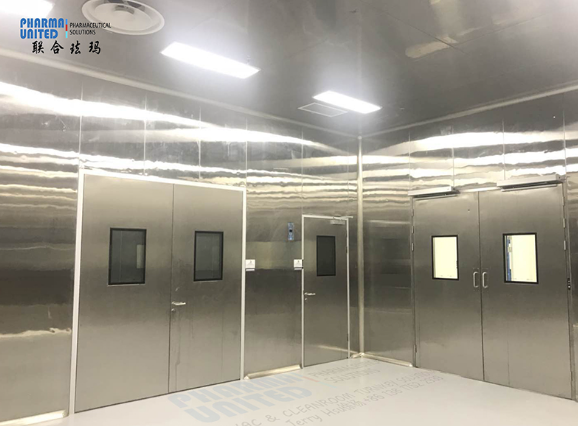
Key Factors to Consider When Choosing a Cleanroom Manufacturer

1. Industry Experience and Expertise

One of the first things to evaluate is the manufacturer’s experience. A company with years of experience in cleanroom design and production is more likely to understand industry-specific requirements.

Look for:

  • Proven track record in your industry (pharmaceutical, semiconductor, food, etc.)
  • Case studies or project portfolios
  • Technical knowledge of cleanroom classifications (ISO 14644, GMP standards)

An experienced cleanroom manufacturer will also anticipate potential challenges and provide effective solutions.

2. Certifications and Compliance Standards

Compliance is non-negotiable in cleanroom environments. A reliable manufacturer must adhere to global standards and regulations.

Important certifications include:

  • ISO 14644 (Cleanroom standards)
  • GMP (Good Manufacturing Practice)
  • CE or other regional certifications

Choosing a certified cleanroom manufacturer ensures your facility meets regulatory requirements and avoids legal risks.

3. Customization Capabilities

Every industry has unique cleanroom requirements. A one-size-fits-all approach rarely works.

A dependable cleanroom manufacturer should offer:

  • Custom cleanroom design solutions
  • Modular cleanroom systems
  • Flexible layouts and scalable options

For example, pharmaceutical cleanrooms require strict contamination control, while electronics manufacturing may prioritize static control and particle filtration.

4. Product Quality and Materials

The durability and performance of a cleanroom depend heavily on the materials used. High-quality components ensure longevity and consistent operation.

Key elements to evaluate:

  • Wall panels (e.g., color steel plates)
  • Cleanroom doors and windows
  • Air filtration systems (HEPA/ULPA filters)
  • HVAC and airflow systems

A professional cleanroom manufacturer will use tested materials that meet industry standards and provide detailed specifications.

5. Engineering and Technical Support

Cleanroom projects require precise engineering and ongoing technical support. A reliable supplier should provide comprehensive services, including:

  • Design consultation
  • Installation guidance
  • Validation and testing
  • After-sales support

Companies like Pharma United emphasize integrated solutions, covering everything from equipment supply to engineering support, ensuring smooth project execution.

6. Turnkey Solutions and Project Management

Many businesses prefer a turnkey approach, where the manufacturer handles the entire process.

A full-service cleanroom manufacturer should provide:

  • Design and planning
  • Manufacturing and supply
  • Installation and commissioning
  • Maintenance services

This reduces coordination issues and ensures consistent quality throughout the project.

7. Cost-Effectiveness and Transparency

While price is an important factor, the cheapest option is not always the best. Focus on overall value rather than initial cost.

Consider:

  • Transparent pricing structure
  • Long-term maintenance costs
  • Energy efficiency of systems

A trustworthy cleanroom manufacturer will provide clear quotations and help you balance cost and performance.

8. Reputation and Customer Reviews

Customer feedback is a valuable indicator of reliability. Research the manufacturer’s reputation through:

  • Online reviews
  • Testimonials
  • Industry references

A well-reviewed cleanroom manufacturer is more likely to deliver consistent results and reliable service.
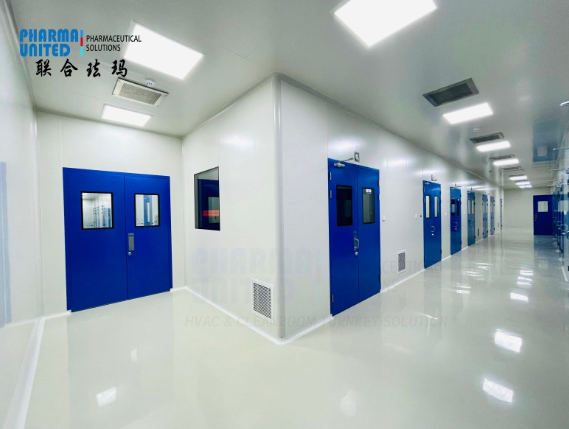
9. Delivery Time and Global Capability

Timely delivery is crucial for project success. Delays can disrupt production schedules and increase costs.

Check whether the manufacturer:

  • Has efficient production capacity
  • Offers international shipping and support
  • Can meet your project timeline

A global cleanroom manufacturer with strong logistics capabilities is ideal for international projects.

10. Innovation and Technology Integration

Modern cleanrooms are becoming increasingly advanced, integrating automation and smart monitoring systems.

Look for manufacturers that offer:

  • Energy-efficient systems
  • Smart monitoring and control solutions
  • Advanced filtration technologies

Choosing an innovative cleanroom manufacturer ensures your facility remains competitive and future-ready.

Common Mistakes to Avoid

When selecting a cleanroom manufacturer, avoid these common pitfalls:

  • Choosing based solely on price
  • Ignoring certifications and compliance
  • Overlooking after-sales support
  • Failing to verify past projects
  • Not considering scalability

Avoiding these mistakes will help you select a reliable cleanroom manufacturer that meets your long-term needs.

How to Evaluate and Compare Cleanroom Manufacturers

To make the best decision, follow a structured evaluation process:

  1. Shortlist potential manufacturers
  2. Request detailed proposals
  3. Compare technical specifications
  4. Evaluate certifications and experience
  5. Conduct site visits or virtual inspections
  6. Check references and client feedback

This systematic approach ensures you select the most suitable cleanroom manufacturer for your project.

Conclusion

Choosing a reliable cleanroom manufacturer is essential for ensuring product quality, regulatory compliance, and operational efficiency. By focusing on factors such as experience, certifications, customization capabilities, and technical support, you can confidently select a partner that meets your requirements.

A professional cleanroom manufacturer does more than supply equipment—they provide complete solutions that support your business growth. Take the time to evaluate your options carefully, and prioritize long-term value over short-term savings.

Leave Your Message

  • Afghanistan
  • Albania
  • Algeria
  • American Samoa
  • Andorra
  • Angola
  • Anguilla
  • Antarctica
  • Antigua and Barbuda
  • Argentina
  • Armenia
  • Aruba
  • Australia
  • Austria
  • Azerbaijan
  • Bahamas
  • Bahrain
  • Bangladesh
  • Barbados
  • Belarus
  • Belgium
  • Belize
  • Benin
  • Bermuda
  • BBhutan
  • Bolivia
  • Bosnia and Herzegovina
  • Botswana
  • Bouvet Island
  • Brazil
  • British Indian Ocean Territory
  • Brunei Darussalam
  • Bulgaria
  • Burkina Faso
  • Burundi
  • Cambodia
  • Cameroon
  • Canada
  • Cape Verde
  • Cayman Islands
  • Central African Republic
  • Chad
  • Chile
  • China
  • Christmas Island
  • Cocos (Keeling) Islands
  • Colombia
  • Comoros
  • Congo
  • Cook Islands
  • Costa Rica
  • Cote D'Ivoire
  • Croatia
  • Cuba
  • Cyprus
  • Czech Republic
  • Denmark
  • Djibouti
  • Dominica
  • East Timor
  • Ecuador
  • Egypt
  • El Salvador
  • Equatorial Guinea
  • Eritrea
  • Estonia
  • Ethiopia
  • Falkland Islands (Malvinas)
  • Faroe Islands
  • Fiji
  • Finland
  • France, Metropolitan
  • French Guiana
  • French Polynesia
  • Gabon
  • Gambia
  • Georgia
  • Germany
  • Ghana
  • Gibraltar
  • Greece
  • Greenland
  • Grenada
  • Guadeloupe
  • Guam
  • Guatemala
  • Guinea
  • Guinea-Bissau
  • Guyana
  • Haiti
  • Honduras
  • Hong Kong, China
  • Hungary
  • Iceland
  • India
  • Indonesia
  • Iran (Islamic Republic of)
  • Iraq
  • Ireland
  • Israel
  • Italy
  • Jamaica
  • Japan
  • Jordan
  • Kazakhstan
  • Kenya
  • Kiribati
  • North Korea
  • South Korea
  • Kuwait
  • Kyrgyzstan
  • Lao People's Democratic Republic
  • Latvia
  • Lebanon
  • Lesotho
  • Liberia
  • Libyan Arab Jamahiriya
  • Liechtenstein
  • Lithuania
  • Luxembourg
  • Macau
  • Madagascar
  • Malawi
  • Malaysia
  • Maldives
  • Mali
  • Malta
  • Marshall Islands
  • Martinique
  • Mauritania
  • Mauritius
  • Mayotte
  • Mexico
  • Micronesia
  • Moldova
  • Monaco
  • Mongolia
  • Montserrat
  • Morocco
  • Mozambique
  • Myanmar
  • Namibia
  • Nauru
  • Nepal
  • Netherlands
  • New Caledonia
  • New Zealand
  • Nicaragua
  • Niger
  • Nigeria
  • Niue
  • Norfolk Island
  • Northern Mariana Islands
  • Norway
  • Oman
  • Pakistan
  • Palau
  • Panama
  • Papua New Guinea
  • Paraguay
  • Peru
  • Philippines
  • Pitcairn
  • Poland
  • Portugal
  • Puerto Rico
  • Qatar
  • Reunion
  • Romania
  • Russian Federation
  • Rwanda
  • Saint Kitts and Nevis
  • Saint Lucia
  • Saint Vincent and the Grenadines
  • Samoa
  • San Marino
  • Saudi Arabia
  • Senegal
  • Seychelles
  • Sierra Leone
  • Singapore
  • Slovak Republic
  • Slovenia
  • Solomon Islands
  • Somalia
  • South Africa
  • Spain
  • Sri Lanka
  • St. Helena
  • Sudan
  • Suriname
  • Swaziland
  • Sweden
  • Switzerland
  • Syrian Arab Republic
  • Taiwan, China
  • Tajikistan
  • Tanzania
  • Thailand
  • Togo
  • Tokelau
  • Tonga
  • Trinidad and Tobago
  • Tunisia
  • Turkey
  • Turkmenistan
  • Turks and Caicos Islands
  • Tuvalu
  • Uganda
  • Ukraine
  • United Arab Emirates
  • United Kingdom
  • United States
  • Uruguay
  • Uzbekistan
  • Vanuatu
  • Vatican City State (Holy See)
  • Venezuela
  • Viet Nam
  • Virgin Islands (U.S.)
  • Wallis and Futuna Islands
  • Western Sahara
  • Yemen
  • Zambia
  • Zimbabwe
  • Montenegro
  • Serbia
  • Palestine
  • South Sudan
  • Jersey

Pharma United Co., Ltd.

Pharma United Co., Ltd.

Tel.: +86 177 1554 8238

WhatsApp: +86 138 1752 2939

E-mail: sales@pharma-united.com

Add.: NO.58 Beiyuan Road, Dianshanhu, Kunshan, Jiangsu, China, ZIP code 215345

Copyright @ Pharma United Co., Ltd. All Rights Reserved | Sitemap