Jul. 08, 2026
When it comes to the pharmaceutical industry, maintaining strict compliance with regulatory standards for cleanliness and contamination control is paramount. Many businesses struggle with the significant costs and lengthy timelines associated with traditional cleanroom construction. This often leads to budget overruns and delayed product launches. Modular cleanroom systems provide a cost-effective solution for pharma companies seeking to optimize their operational efficiency. By adopting these systems, pharmaceutical businesses can reduce construction time by up to 50% and lower capital expenditure significantly, all while maintaining stringent cleanliness standards.
Modular cleanroom systems stand out in the pharmaceutical industry for several reasons. First and foremost, they offer incredible flexibility. Unlike traditional cleanrooms, which may take several months or even years to construct, modular systems can be assembled in a mere 12 to 16 weeks. This significant reduction in setup time can lead to an expedited time-to-market. In fact, pharmaceutical companies that have transitioned to modular cleanrooms have reported 35% faster project completion times, providing a competitive edge in fast-paced environments.
Cost-effectiveness is another core advantage. Modular cleanroom systems can be as much as 30% cheaper to install compared to conventional cleanrooms, primarily due to lower labor costs and reduced construction waste. By utilizing prefabricated components, businesses also lower the risk of costly redesigns and delays caused by on-site adjustments.
Moreover, these systems are not only economically beneficial but environmentally friendly as well. Using less material for construction leads to a reduced carbon footprint—estimates indicate a decrease in material waste by up to 40%. This aligns with the growing demand for sustainable practices in the pharmaceutical sector.
As for contamination control, modular cleanrooms can be constructed to the exact specifications required for sensitive processes. Advanced features such as HEPA filtration and customizable pressure zones help maintain optimal product integrity, crucial for compliance with regulations such as FDA and ISO standards.
While modular cleanroom systems offer undeniable benefits, it is important to acknowledge some disadvantages. One of the most significant drawbacks is the potential for reduced customization compared to traditional builds. Since many modular systems are prefabricated, any specific requirements may need additional modifications that can incur extra costs. Businesses should carefully assess their particular cleanroom needs to ensure that a modular approach truly delivers the desired outcomes.
Additionally, the upfront costs can still be substantial, especially for companies looking to outfit larger operations. Although installation and operational costs are generally lower, the total investment may still strain smaller pharma businesses if not planned adequately. Conducting a thorough cost-benefit analysis can help identify if a modular cleanroom is the right fit.
Ultimately, the question of whether to invest in modular cleanroom systems hinges on specific operational needs and long-term goals. For pharma businesses aiming to scale operations while ensuring regulatory compliance, modular cleanrooms present an attractive solution that combines efficiency and cost-effectiveness. Reports suggest that companies that have made the switch to modular systems view the investment positively; approximately 78% of users have indicated decreased operational costs over a five-year period.
Modular cleanroom systems are particularly beneficial for small to mid-sized pharmaceutical companies that need flexibility and cost savings. They are also ideal for operations focused on rapid scaling or reconfiguration, such as contract manufacturers and research labs. Companies navigating environmental sustainability protocols will find the reduced material waste and energy efficiency appealing. Overall, if your business requires a cleanroom solution that balances budget constraints with compliance and operational efficiency, choosing a modular cleanroom system is highly advisable.
1. How long does it take to install a modular cleanroom?
Installation can typically take between 12 to 16 weeks, significantly quicker than traditional cleanroom setups.
2. Are modular cleanroom systems customizable?
While modular cleanrooms offer some degree of customization, more complex specifications may require additional modifications.
3. What are the environmental benefits of modular cleanrooms?
Modular cleanrooms generate approximately 40% less construction waste, contributing to an overall reduction in environmental impact.
4. What kind of maintenance do modular cleanrooms require?
Regular maintenance is important to ensure the integrity of HEPA filtration systems and overall cleanliness. Most systems are designed for easy cleaning and upkeep.
Image source: 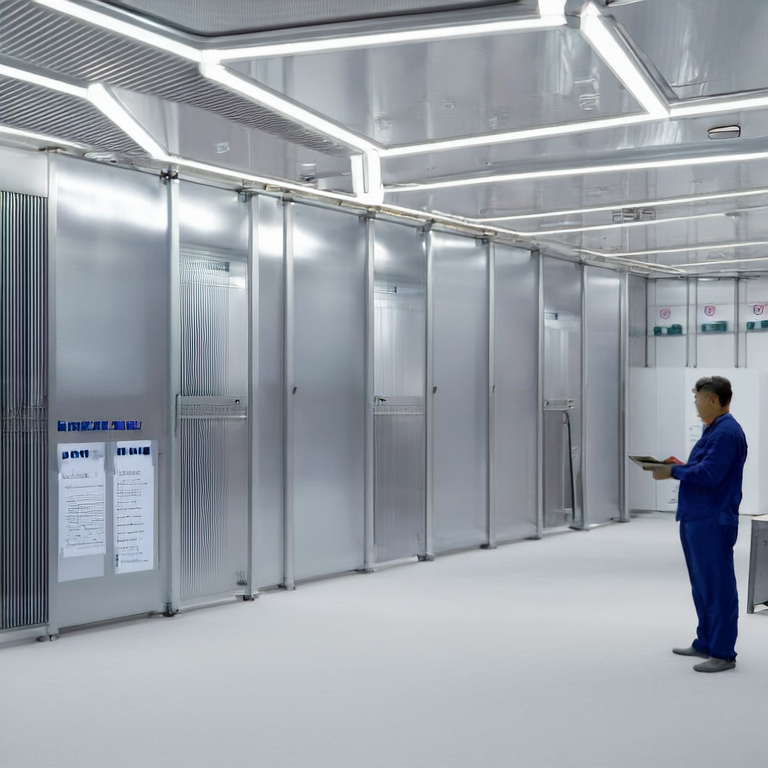 Pharma United" />
Leave Your Message

Pharma United Co., Ltd.
Pharma United Co., Ltd.
Tel.: +86 177 1554 8238
Add.: NO.58 Beiyuan Road, Dianshanhu, Kunshan, Jiangsu, China, ZIP code 215345
Navigation
Navigation