Home - News - Cleanroom Pass Box Structure: Differences Between Static and Dynamic Models

Cleanroom Pass Box Structure: Differences Between Static and Dynamic Models

Jul. 28, 2026

Understanding Cleanroom Pass Boxes

What is a Cleanroom Pass Box?

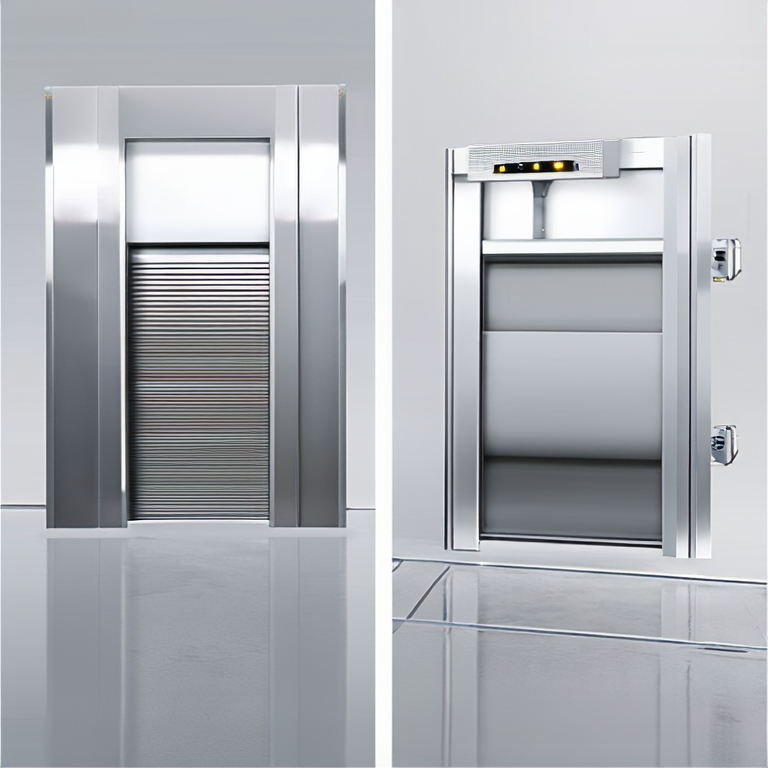
A Cleanroom Pass Box is a vital component in maintaining the integrity of cleanroom environments. It serves as a controlled entry point for materials while minimizing contamination risks. Users are often faced with two primary models: static and dynamic.

Static vs. Dynamic Models Explained

Definition of Static Pass Box

A static pass box is a fixed structure designed for manual transfer of materials. It relies on manual loading and unloading procedures, which may increase the risk of contamination.

Definition of Dynamic Pass Box

A dynamic pass box incorporates automated systems for material transfer. It typically features integrated interlocks, reducing human interaction and enhancing sterile conditions.

Core Parameter Comparison Table

Feature Static Model Dynamic Model
Material Transfer Method Manual Automated
Contamination Risk Higher Lower
Cost Lower Higher
Maintenance Less complex More complex
Operational Efficiency Lower Higher

Actual Use Experience

Battery Life and Stability of Dynamic Models

Dynamic pass boxes typically have a battery life ranging from 5 to 10 hours, depending on usage and model. Stability is often superior due to built-in systems that ensure consistent operation.

Static Model User Experience

Static models rely heavily on physical handling, leading to varied user experiences that can be less predictable. Users report challenges with contamination control during manual transfers.

Advantages and Disadvantages

Advantages of Static Pass Boxes

  • Cost-effective for small operations
  • Simple design and operation
  • Lower initial investment

Disadvantages of Static Pass Boxes

  • Higher risk of contamination
  • Reduced efficiency
  • Manual labor-intensive

Advantages of Dynamic Pass Boxes

  • Significantly lower contamination risk
  • Increased operational speed and efficiency
  • Automated systems reduce human errors

Disadvantages of Dynamic Pass Boxes

  • Higher investment costs
  • More complex maintenance requirements
  • Requires trained personnel for operation

Suggestions for Applicable Groups

Best Uses for Static Models

Ideal for small-scale cleanrooms with limited budgets, where contamination control is less rigorous and manual processes are acceptable.

Best Uses for Dynamic Models

Recommended for high-capacity cleanrooms, pharmaceutical companies, and research facilities where contamination control is critical and automation is feasible.

Conclusion: Making the Right Choice

When selecting between a static or dynamic Cleanroom Pass Box, consider your operational needs, budget, and contamination control requirements. At Pharma United, we provide a range of solutions tailored to your cleanroom needs, ensuring optimal efficiency and safety in your operations. For additional resources, feel free to navigate through our offerings.
Cleanroom Pass Box Structure: Differences Between Static and Dynamic Models

Leave Your Message

  • Afghanistan
  • Albania
  • Algeria
  • American Samoa
  • Andorra
  • Angola
  • Anguilla
  • Antarctica
  • Antigua and Barbuda
  • Argentina
  • Armenia
  • Aruba
  • Australia
  • Austria
  • Azerbaijan
  • Bahamas
  • Bahrain
  • Bangladesh
  • Barbados
  • Belarus
  • Belgium
  • Belize
  • Benin
  • Bermuda
  • BBhutan
  • Bolivia
  • Bosnia and Herzegovina
  • Botswana
  • Bouvet Island
  • Brazil
  • British Indian Ocean Territory
  • Brunei Darussalam
  • Bulgaria
  • Burkina Faso
  • Burundi
  • Cambodia
  • Cameroon
  • Canada
  • Cape Verde
  • Cayman Islands
  • Central African Republic
  • Chad
  • Chile
  • China
  • Christmas Island
  • Cocos (Keeling) Islands
  • Colombia
  • Comoros
  • Congo
  • Cook Islands
  • Costa Rica
  • Cote D'Ivoire
  • Croatia
  • Cuba
  • Cyprus
  • Czech Republic
  • Denmark
  • Djibouti
  • Dominica
  • East Timor
  • Ecuador
  • Egypt
  • El Salvador
  • Equatorial Guinea
  • Eritrea
  • Estonia
  • Ethiopia
  • Falkland Islands (Malvinas)
  • Faroe Islands
  • Fiji
  • Finland
  • France, Metropolitan
  • French Guiana
  • French Polynesia
  • Gabon
  • Gambia
  • Georgia
  • Germany
  • Ghana
  • Gibraltar
  • Greece
  • Greenland
  • Grenada
  • Guadeloupe
  • Guam
  • Guatemala
  • Guinea
  • Guinea-Bissau
  • Guyana
  • Haiti
  • Honduras
  • Hong Kong, China
  • Hungary
  • Iceland
  • India
  • Indonesia
  • Iran (Islamic Republic of)
  • Iraq
  • Ireland
  • Israel
  • Italy
  • Jamaica
  • Japan
  • Jordan
  • Kazakhstan
  • Kenya
  • Kiribati
  • North Korea
  • South Korea
  • Kuwait
  • Kyrgyzstan
  • Lao People's Democratic Republic
  • Latvia
  • Lebanon
  • Lesotho
  • Liberia
  • Libyan Arab Jamahiriya
  • Liechtenstein
  • Lithuania
  • Luxembourg
  • Macau
  • Madagascar
  • Malawi
  • Malaysia
  • Maldives
  • Mali
  • Malta
  • Marshall Islands
  • Martinique
  • Mauritania
  • Mauritius
  • Mayotte
  • Mexico
  • Micronesia
  • Moldova
  • Monaco
  • Mongolia
  • Montserrat
  • Morocco
  • Mozambique
  • Myanmar
  • Namibia
  • Nauru
  • Nepal
  • Netherlands
  • New Caledonia
  • New Zealand
  • Nicaragua
  • Niger
  • Nigeria
  • Niue
  • Norfolk Island
  • Northern Mariana Islands
  • Norway
  • Oman
  • Pakistan
  • Palau
  • Panama
  • Papua New Guinea
  • Paraguay
  • Peru
  • Philippines
  • Pitcairn
  • Poland
  • Portugal
  • Puerto Rico
  • Qatar
  • Reunion
  • Romania
  • Russian Federation
  • Rwanda
  • Saint Kitts and Nevis
  • Saint Lucia
  • Saint Vincent and the Grenadines
  • Samoa
  • San Marino
  • Saudi Arabia
  • Senegal
  • Seychelles
  • Sierra Leone
  • Singapore
  • Slovak Republic
  • Slovenia
  • Solomon Islands
  • Somalia
  • South Africa
  • Spain
  • Sri Lanka
  • St. Helena
  • Sudan
  • Suriname
  • Swaziland
  • Sweden
  • Switzerland
  • Syrian Arab Republic
  • Taiwan, China
  • Tajikistan
  • Tanzania
  • Thailand
  • Togo
  • Tokelau
  • Tonga
  • Trinidad and Tobago
  • Tunisia
  • Turkey
  • Turkmenistan
  • Turks and Caicos Islands
  • Tuvalu
  • Uganda
  • Ukraine
  • United Arab Emirates
  • United Kingdom
  • United States
  • Uruguay
  • Uzbekistan
  • Vanuatu
  • Vatican City State (Holy See)
  • Venezuela
  • Viet Nam
  • Virgin Islands (U.S.)
  • Wallis and Futuna Islands
  • Western Sahara
  • Yemen
  • Zambia
  • Zimbabwe
  • Montenegro
  • Serbia
  • Palestine
  • South Sudan
  • Jersey

Pharma United Co., Ltd.

Pharma United Co., Ltd.

Tel.: +86 177 1554 8238

Add.: NO.58 Beiyuan Road, Dianshanhu, Kunshan, Jiangsu, China, ZIP code 215345

Copyright @ Pharma United Co., Ltd. All Rights Reserved | Sitemap | Privacy Policy