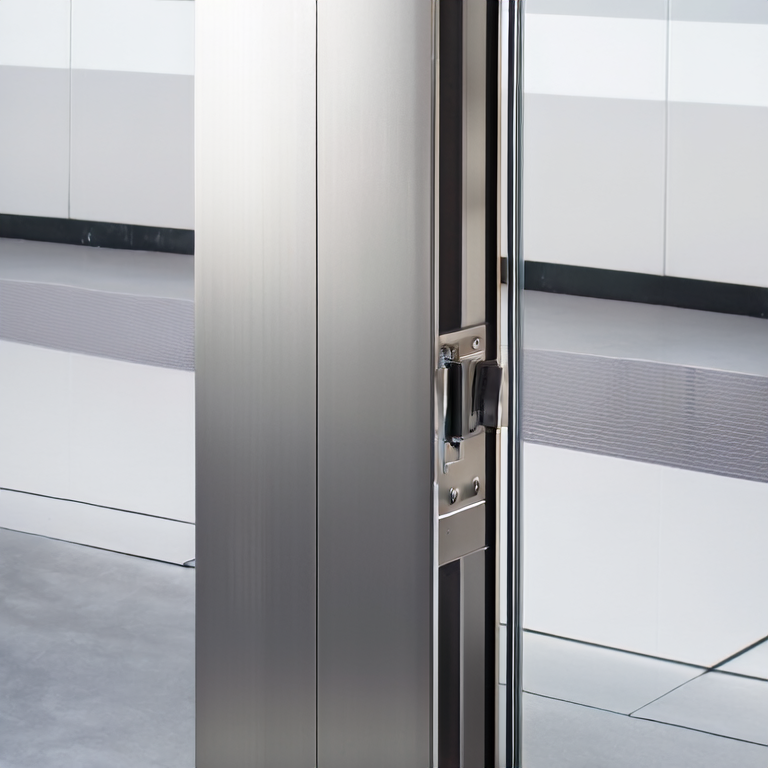
Cleanroom Door Types and Materials Guide
When it comes to maintaining the integrity of a cleanroom, selecting the right cleanroom door is essential. Cleanroom doors are tailored to ensure minimal contamination, regulate airflow, and maintain sterile environments crucial for various industries, especially pharmaceuticals, electronics, and biotechnology. This comprehensive guide will explore the different types of cleanroom doors and materials, offering insights to ensure you make informed decisions for your cleanroom facility.
1. Understanding Cleanroom Doors
- Definition: Cleanroom doors are engineered openings designed to prevent contamination and facilitate access in controlled environments.
- Importance: Essential for maintaining cleanliness standards and infrastructure integrity, they can help prevent the entry of dust and particles.
2. Types of Cleanroom Doors
- Hinged Cleanroom Doors
- Best for areas requiring frequent access.
- Customization options include various sizes and finishes.
- Sliding Cleanroom Doors
- Ideal for situations with limited space.
- Automatic options are available for enhanced convenience.
- Bi-fold Cleanroom Doors
- Space-saving design perfect for tight spaces.
- Can be automatically operated for hands-free use.
- Pass-through Doors
- Designed for materials transfer without compromising cleanliness.
- Minimizes contamination during the passage of items.
3. Cleanroom Door Materials
- Steel Doors
- Durability and resistance to damage, ideal for high-traffic areas.
- Customizable with powder coatings for improved aesthetics.
- Glass Doors
- Provide visibility and help monitor the cleanroom environment.
- Special coatings can offer resistance to chemicals and scratches.
- Plastic/Polymer Doors
- Lightweight and economical; great for temporary cleanrooms.
- Easy to clean and resistant to corrosion and chemicals.
4. Key Specifications to Consider
- Seal Integrity
- Pivotal for preventing infiltration of contaminants.
- Ensure door systems have robust seals for optimal performance.
- Operational Features
- Manual vs. automatic mechanisms based on frequency of use.
- Safety features like emergency releases must be factored in.
5. Industry Applications
- Pharmaceuticals
- Compliance with stringent standards for sterile environments.
- Specific doors designed for lab settings and biopharmaceutical production.
- Electronics
- Minimize static and particle contamination during production.
- Use specialized doors suited for cleanroom operations in electronics manufacturing.
6. Installation and Maintenance Tips
- Professional Installation
- Always hire qualified personnel for installation to ensure compliance with safety standards.
- Regular Maintenance
- Schedule routine inspections to ensure seals and mechanisms are working correctly.
- Clean the door surfaces frequently to prevent contamination.
7. Considerations for Choosing the Right Cleanroom Door
- Understand Your Cleanroom Classification
- Choose doors compatible with the ISO classification of your cleanroom.
- Evaluate Traffic and Usage
- Analyze foot traffic to determine if a manual or automatic door is more suitable.
8. Conclusion
In conclusion, selecting the right cleanroom door involves understanding the various types and materials available and how they align with your specific cleanroom needs. By considering aspects such as installation, maintenance, and compliance with industry standards, you can ensure optimal performance and contamination control in your cleanroom. Remember that the choices made now influence the future maintenance and operation of your sterile environment. For more information, contact experts like Pharma United, who can provide tailored solutions for your cleanroom needs.