Apr. 08, 2026
In industries where precision, hygiene, and contamination control are critical, cleanrooms play a vital role. From pharmaceuticals and biotechnology to electronics and aerospace, maintaining a controlled environment is essential for product quality and safety. However, the performance of a cleanroom heavily depends on the quality of its equipment.
Investing in high-quality cleanroom equipment is not just a matter of compliance—it is a strategic decision that directly impacts operational efficiency, product integrity, and long-term profitability. Businesses that prioritize reliable cleanroom solutions often gain a competitive advantage by reducing risks and improving production outcomes.
This article explores the key benefits of high-quality cleanroom equipment, highlighting why it is a smart investment for companies aiming for excellence in controlled environments.
Cleanroom equipment refers to specialized tools and systems designed to maintain controlled environmental conditions. These include:
Such equipment ensures strict control over airborne particles, temperature, humidity, and pressure, creating an environment that meets industry-specific cleanroom standards.
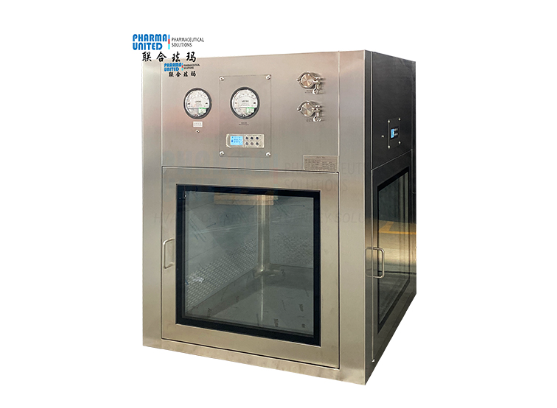
One of the primary benefits of high-quality cleanroom equipment is superior contamination control. Advanced filtration systems effectively remove airborne particles, microbes, and pollutants, ensuring a sterile and controlled environment.
Low-quality equipment may fail to maintain consistent airflow or filtration efficiency, increasing the risk of contamination. This can lead to product defects, recalls, and reputational damage.
High-quality systems are engineered to provide:
These features are essential for industries such as pharmaceuticals and semiconductors, where even microscopic contaminants can cause significant issues.
Compliance with regulatory standards is non-negotiable in cleanroom-dependent industries. Organizations must adhere to strict guidelines such as ISO cleanroom classifications and GMP (Good Manufacturing Practices).
Investing in high-quality cleanroom equipment helps ensure compliance by:
Reliable equipment simplifies audits and reduces the risk of non-compliance penalties. Companies that use trusted solutions, such as those offered by Pharma United, can streamline regulatory processes and maintain consistent standards.
Efficiency is a key factor in any production environment. High-quality cleanroom equipment is designed for optimal performance, minimizing downtime and maximizing productivity.
Key efficiency benefits include:
Modern systems often incorporate automation and smart controls, allowing operators to monitor and adjust conditions in real time. This leads to smoother workflows and fewer disruptions.
While high-quality cleanroom equipment may require a higher initial investment, it offers significant long-term cost savings.
Lower-quality equipment often results in:
In contrast, premium equipment provides:
Over time, these savings outweigh the initial investment, making high-quality equipment a cost-effective choice.
Product quality is directly linked to the cleanliness and stability of the production environment. High-quality cleanroom equipment ensures consistent conditions, which is crucial for maintaining product integrity.
Benefits include:
For industries like pharmaceuticals and electronics, maintaining high product quality is essential for customer trust and regulatory approval.
Cleanroom environments must also support the safety and comfort of personnel. High-quality equipment contributes to a safer workplace by maintaining proper airflow, temperature, and humidity levels.
Advantages include:
A comfortable working environment enhances employee productivity and reduces fatigue, leading to better overall performance.
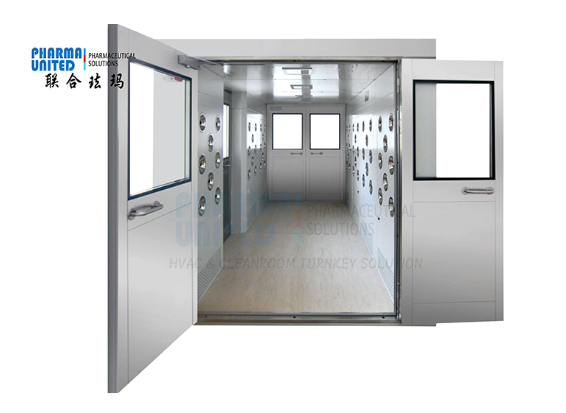
High-efficiency filters such as HEPA and ULPA are essential for removing airborne contaminants. Premium systems offer higher filtration efficiency and longer service life.
Energy consumption is a major concern in cleanroom operations. High-quality equipment is designed to optimize airflow and reduce power usage, helping businesses lower operational costs.
Robust construction and high-grade materials ensure that cleanroom equipment can withstand continuous use without performance degradation.
Modern cleanroom equipment often includes digital monitoring and control systems, enabling real-time tracking of environmental conditions.
Cleanroom equipment ensures sterile conditions for drug manufacturing, research, and development processes.
Even tiny particles can damage sensitive components. High-quality equipment prevents contamination and improves yield rates.
Maintaining a controlled environment is critical for producing safe and reliable medical devices.
Cleanrooms help maintain the integrity of high-precision components used in advanced technologies.
When selecting cleanroom equipment, consider the following factors:
Working with trusted providers like Pharma United ensures access to high-quality solutions tailored to specific industry needs.
Avoiding these mistakes can help businesses maximize the benefits of their investment.
The cleanroom industry continues to evolve with advancements in technology. Key trends include:
Investing in high-quality cleanroom equipment ensures that businesses are well-prepared to adapt to these innovations.
Investing in high-quality cleanroom equipment is a strategic decision that delivers multiple benefits, from improved contamination control and regulatory compliance to enhanced efficiency and long-term cost savings.
In today’s competitive landscape, businesses cannot afford to compromise on cleanroom performance. Reliable equipment not only ensures product quality but also strengthens operational resilience and brand reputation.
By prioritizing quality and partnering with trusted providers, companies can build cleanroom environments that support sustainable growth and innovation.

High-quality cleanroom equipment ensures effective contamination control, regulatory compliance, and consistent environmental conditions, which are essential for product quality and safety.
Key factors include compliance standards, performance reliability, energy efficiency, and supplier reputation.
Industries such as pharmaceuticals, biotechnology, electronics, medical devices, and aerospace benefit significantly from cleanroom environments.
Advanced systems provide stable environmental conditions, reduce downtime, and enable real-time monitoring, improving overall operational efficiency.
Leave Your Message

Pharma United Co., Ltd.
Pharma United Co., Ltd.
Tel.: +86 177 1554 8238
Add.: NO.58 Beiyuan Road, Dianshanhu, Kunshan, Jiangsu, China, ZIP code 215345
Navigation
Navigation